WELCOME TO MY EYE ROOM


Services
- Eye Test in Singapore: Guide to Comprehensive Vision Examinations
- The Importance of Regular Eye Tests for All Ages
- Orthokeratology Lenses: Effective Approach to Managing Myopia
- Long-Term Benefits of Ortho-K Lenses in Singapore
- Exploring the Benefits of Astigmatism Lens
- Guide to Astigmatism Glasses and Vision Correction
- The Importance of Taking an Astigmatism Test
- Comprehensive Guide to Contact Lenses for Astigmatism
- Astigmatism 101: Understanding Causes and Treatment Options
- Guide to Preventing Progression of Myopia in Singapore
- Myopia 101: Understanding Nearsightedness and Its Causes
- Guide to Progressive Lenses: From Basics to Advanced Features
- How Myopia Control Lenses Help Manage Nearsightedness
- Clarity Redefined: Guide to Carl Zeiss Progressive Lenses
- Technology Trends in Prescription Lenses in Singapore
- 5 Benefits of Wearing Prescription Contact Lenses
- How Computer Glasses Improve Overall Eye Comfort
- Spectacle Frames in Singapore: Stylish Eyewear for Every Face
- Choosing the Right Progressive Lenses in Singapore
- Tips for Cleaning and Maintaining Your Spectacles
- Prescription Lenses Trends: Insights from Experts in the Field
- Understanding Different Lenses in Spectacles Glasses
- Ultimate Guide to Choosing the Right Spectacle Frames
- Understanding the Science Behind Different Glasses Lenses
- Guide to Finding the Right Spectacles in Singapore
- Exploring Trends in Modern Glasses Frames
- Understanding the Science of Anti-Fog Spectacles
- Orthokeratology in Singapore: Guide to Overnight Vision Correction
- Glasses in Singapore: A Comprehensive Guide to Eyewear
- Guide to Eyewear Options at a Singapore Glasses Shop
- Eyeglasses in Singapore: A Comprehensive Guide to Clear Vision
- Finding the Perfect Eyeglasses for Your Face Shape
- Guide to Finding the Right Prescription Glasses in Singapore
- Ultimate Guide to Prescription Glasses
- Lindberg Glasses in Singapore: Where Classic Design Meets Modern
- The Lindberg Experience: Elevating Your Eyewear Collection
- Mastering Vision with Zeiss Progressive Lenses
- Reducing Eye Strain with Blue Light Lenses
- 9 Benefits of Zeiss Eyeglass Lenses for Your Eyes
- Buying Guide to Blue Light Glasses in Singapore
- ZEISS Singapore: Types of Lens To Correct Your Vision
- Exploring the Benefits of Anti Blue Light Glasses
- Blue Light Glasses: A Complete Guide to Protecting Your Eyes
- Are ZEISS Eyeglass Lenses Worth It? A Comprehensive Guide to ZEISS Lenses
- Comprehensive Guide to Anti Glare Glasses
- Exploring the Latest Trends in Optical Eyewear
- Eyewear for Every Face Shape: A Comprehensive Guide
- Guide to Choosing the Right Spectacle Shop for You
- Ortho-K in Singapore: Transforming Your Vision Safely and Effectively
- Experience Unmatched Style and Comfort with Lindberg Glasses
- Orthokeratology: Reshaping Your Vision Overnight in Singapore
- Understanding Ortho-K: Non-Surgical Alternative to Correcting Vision
- Roles of Optometrists & Opticians in an Optical Shop in Singapore
- Explore a Range of Eyewear at My Eye Room Spectacle Shop in Singapore
- Guide to Finding the Best Optometrist in Singapore
- 7 Benefits of Visiting an Optical Shop For Your Eye Care Needs
- Ortho-K Lenses: Reshaping Your Vision Overnight
- Complete Guide to Spectacle Lenses: Types, Materials and Coatings
- Why Regular Visits to an Optometrist are Essential for Eye Health
- Ultimate Guide to Choosing the Right Contact Lenses for Your Eyes
- Orthokeratology
- Equipments
- Glaucoma Screening
- Full General Eye Examination
- Myopia Management & Pediatric
- Specialized Contact Lenses
- Prescription for Glasses & Lens
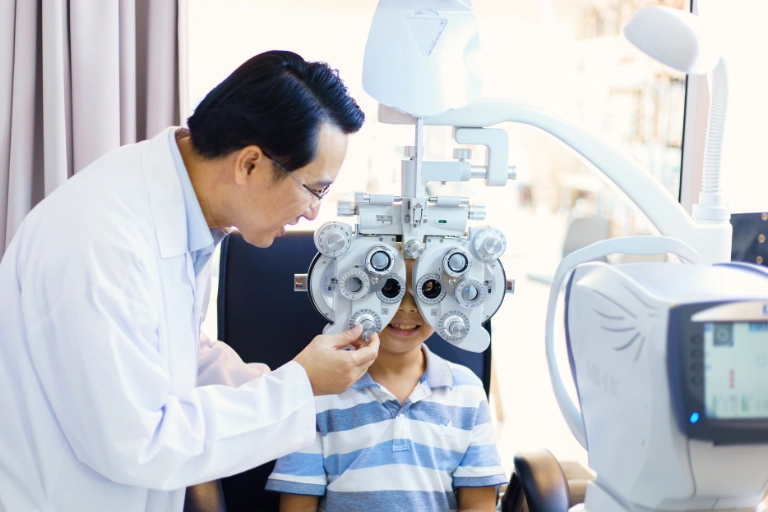
Eye Test in Singapore: Guide to Comprehensive Vision Examinations
Eye Test in Singapore: Guide to Comprehensive Vision Examinations
Regular eye tests are essential for maintaining optimal vision and detecting potential eye conditions early. In Singapore, where digital lifestyles and aging demographics increase the demand for eye care, comprehensive vision examinations play a crucial role in overall health management. Whether for children, working adults, or seniors, eye exams help detect refractive errors, monitor eye health, and prevent long-term complications.
Why Regular Eye Tests Matter
1. Early Detection of Vision Problems
Many vision issues, including myopia, hyperopia, and astigmatism, can be managed effectively when detected early. Regular eye tests ensure timely intervention, reducing the risk of worsening eyesight and enhancing quality of life.
2. Monitoring Eye Health Over Time
Routine eye exams help track changes in vision and eye structure. Conditions such as cataracts, diabetic retinopathy, and macular degeneration often develop with age. Frequent check-ups allow eye care professionals to monitor progression and recommend necessary treatments.
3. Children’s Vision Development
With Singapore’s high prevalence of myopia among children, early detection and management are crucial. Eye tests help detect and correct issues like lazy eye (amblyopia) and crossed eyes (strabismus) early, preventing long-term vision impairment and improving learning outcomes. Good vision is crucial for academic performance and social development.
4. Digital Eye Strain and Modern Lifestyles
In a digitally connected society like Singapore, excessive screen time has led to a rise in digital eye strain. Symptoms include headaches, dry eyes, blurred vision, and difficulty focusing. Eye exams help assess eye fatigue and provide solutions such as blue light filters, anti-fatigue lenses, and lifestyle adjustments to alleviate strain.
5. Eye Tests for Adults and Seniors
As people age, the risk of developing serious eye diseases increases. Regular eye exams help detect conditions such as glaucoma, which can lead to irreversible vision loss if left untreated. Cataracts, common among older adults, can be diagnosed early and managed effectively. For seniors, maintaining clear vision supports independence, mobility, and overall well-being.
6. Detecting Systemic Health Conditions
Eye exams can reveal underlying health conditions such as diabetes, high blood pressure, and high cholesterol. The eyes provide valuable insights into general health, as certain conditions manifest in the retina and blood vessels of the eye. Early detection through routine eye tests allows individuals to seek medical treatment before serious complications arise.
7. Workplace and Driving Safety
Good vision is essential for workplace productivity and road safety. Many jobs require precise vision, especially for professionals working in fields such as aviation, healthcare, and construction. Similarly, drivers need sharp vision to react quickly and safely. Regular eye tests ensure that vision meets the necessary standards for work and daily activities.
8. Preventing Vision Loss
Many eye diseases, such as glaucoma and age-related macular degeneration, progress silently and cause irreversible vision loss if not detected early. Routine check-ups with an optometrist or ophthalmologist can help catch these conditions in their early stages, allowing for timely treatment and better management.
9. Contact Lens and Eyewear Prescriptions
If you wear glasses or contact lenses, your prescription may change over time. An outdated prescription can cause headaches, eye strain, and reduced visual clarity. Regular eye tests ensure that corrective lenses are updated, providing the best vision possible and preventing discomfort.
10. Children and Academic Performance
Uncorrected vision problems can negatively impact a child’s learning experience. Poor eyesight can make reading difficult, lead to concentration issues, and cause a decline in academic performance. Routine eye exams help ensure that children have the visual support they need for success in school and daily activities.
How Often Should You Get an Eye Test in Singapore?
- Children (3-18 years old): Every 1-2 years or as recommended by an eye care professional.
- Adults (19-40 years old): At least every two years, or annually if experiencing vision issues.
- Adults over 40: Annual eye exams to monitor age-related changes and detect early signs of eye diseases.
- Seniors (60+ years old): Yearly check-ups to detect conditions like cataracts, glaucoma, and macular degeneration.
- People with existing eye conditions or diabetes: More frequent visits as advised by a specialist to manage their condition effectively.
Where to Get an Eye Test in Singapore
Singapore offers a variety of eye care services through public hospitals, private clinics, and optical shops. Options include:
- Optometrists and Optical Shops: Provide general eye tests, prescription updates, and screenings for common conditions like myopia and astigmatism.
- Ophthalmologists in Private Clinics and Hospitals: Specialized care for more complex eye conditions, including glaucoma and cataracts.
- Polyclinics and Government Health Services: Affordable options for basic eye screenings.
The Role of Technology in Eye Exams
Modern advancements in optometry have made eye tests more accurate and efficient. Digital retinal imaging, optical coherence tomography (OCT), and automated visual field tests provide detailed insights into eye health. These technologies help detect issues that may not be visible through traditional examination methods, ensuring a more comprehensive assessment.
Tips for Maintaining Good Eye Health Between Exams
While regular eye tests are crucial, maintaining healthy habits can also contribute to long-term vision health:
- Follow the 20-20-20 Rule: Every 20 minutes, take a 20-second break and look at something 20 feet away to reduce digital eye strain.
- Eat a Nutrient-Rich Diet: Foods high in omega-3 fatty acids, lutein, vitamin C, and zinc help maintain eye health.
- Wear UV-Protective Sunglasses: Protect your eyes from harmful UV rays to reduce the risk of cataracts and macular degeneration.
- Stay Hydrated: Proper hydration helps prevent dry eyes, especially for those who wear contact lenses.
- Avoid Smoking: Smoking increases the risk of cataracts, macular degeneration, and optic nerve damage.
- Manage Chronic Health Conditions: Conditions like diabetes and high blood pressure can negatively impact eye health, so proper management is essential.
Conclusion
Regular eye tests are a crucial aspect of maintaining good vision and overall health. Whether for children, working professionals, or seniors, proactive eye care helps prevent vision loss and supports daily well-being. In Singapore, where digital exposure and aging populations present unique challenges, routine eye exams ensure early detection of eye diseases, enabling timely intervention and long-term eye health preservation. Scheduling an eye test today is a simple step toward clearer vision and a healthier future.
Transform Your Vision Today: Visit My Eye Room for Better Eye Health
Don’t compromise on your eye health any longer! Take the first step towards clearer vision and healthier eyes by visiting My Eye Room. Our dedicated team of eye care professionals is ready to provide expert guidance and solutions tailored to your needs.
Whether you require a comprehensive eye exam, specialized vision correction, or advice on maintaining optimal eye health, we support you. Your vision matters and My Eye Room is your partner on the journey to better eye health. Schedule your appointment today and see the world more clearly!
